
Why Music Festivals Are Out and Niche Music Events are In
- Lacey Jones
- Jan 1
- 3 min read
Updated: 2 days ago
For years, massive music festivals dominated the cultural landscape. From sprawling multi-day lineups to brand-heavy activations, bigger was assumed to be better. But in recent years, a noticeable shift has taken place: audiences are gravitating toward smaller, more intimate music experiences.
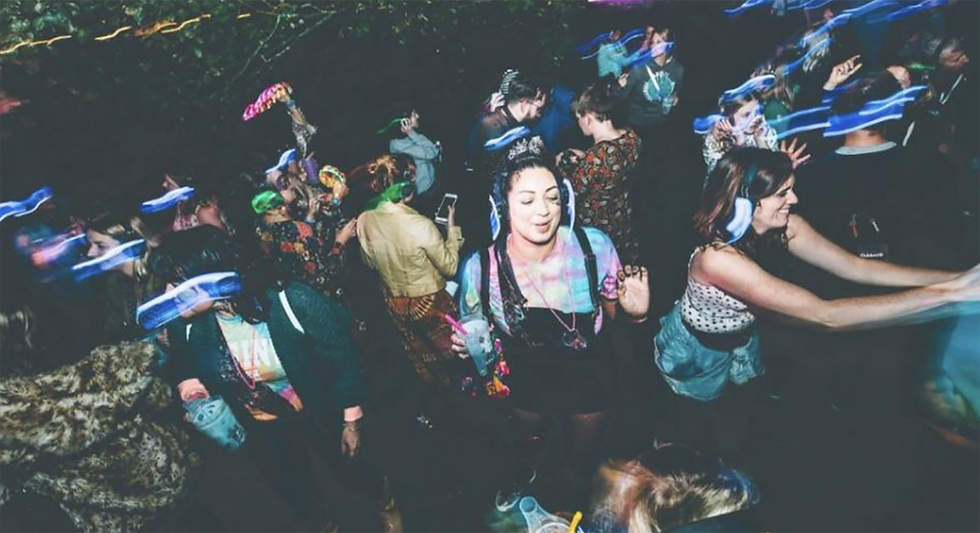
Smaller, niche music events at intimate venues, pop-ups, and alternative formats, like silent raves, are increasingly replacing the appeal of mega festivals. As more people ask what is a silent disco and why it feels different, the answer lies in deeper cultural change.This shift isn’t just about music. It reflects emotional, economic, and lifestyle forces reshaping how people want to connect - especially when it comes to how we gather, dance, and experience a party with a DJ.

1. The Rising Costs of Big Festivals
Large festivals come with undeniable downsides that many fans are no longer willing or able to tolerate:
High ticket prices that often exceed $400–$600. Festivals like Burning Man and Tomorrowland can easily exceed $3000+ per person depending on accommodations and experience packages
Long lines, overcrowding and logistical stress
Beyond-the-norm, life threatening events - like mudslides, torrential rainstorms and explosive fires - make large festivals evermore less attractive
Limited access to artists due to massive overcrowding
Overwhelming corporate branding and sponsorship saturation
As inflation and the cost of living rise, discretionary spending is under pressure. According to the U.S. Bureau of Labor Statistics, entertainment and travel costs have increased significantly since 2021, forcing consumers to make more intentional choices about how and where they spend their money.
For many music lovers, smaller-scale events - especially those offering flexible formats like silent discos - simply feel like a better value.
2. The Loneliness Epidemic and the Desire for Real Connection
Beyond economics, there’s a powerful emotional driver at play: loneliness. In 2023, the U.S. Surgeon General declared loneliness a public health crisis, noting that social isolation carries health risks comparable to smoking or obesity.
Research from Harvard’s Study of Adult Development confirms that close, meaningful relationships are the strongest predictor of long-term well-being.
In massive crowds, connection can feel paradoxically distant. Boutique events - whether a rooftop disco in New York City or a pop-up dance night - create moments where people actually see and feel one another.
"Silent discos thrive because they prioritize participation over spectacle"
3. Healthier Lifestyles Are Changing Nightlife
The club scenes of past decades were often defined by excess. Today, audiences are increasingly choosing wellness, clarity, and balance. Gallup reports that alcohol consumption among young adults has steadily declined over the past 20 years.
This shift has made room for formats like silent discos, where music, not intoxication, is the focus. Understanding how do silent discos work helps explain their appeal: DJs transmit music wirelessly to headphones, creating an immersive dance experience without overwhelming noise or pressure.

4. Boutique Venues and Intentional Aesthetics
Smaller venues like coffee shops, art galleries, warehouses, and curated pop-ups, are thriving because they offer:
Lower cost of entry
Shorter time commitments
Easier access and walkability
A more thoughtful, aesthetic-driven vibe
As economic uncertainty challenges hyper-consumerism, people are rejecting flashy, crass-bougie scenes in favor of authenticity. This also extends to style, knowing what to wear to a silent disco often means choosing comfort, movement, and self-expression over spectacle.
5. Why Silent Discos Fit This Moment Perfectly
Silent discos support everything modern audiences are craving:
Intimate group energy without overwhelm
Shared experiences with personal choice
Flexible locations and formats
Reduced noise and logistical complexity
As The New York Times notes, silent discos thrive because they prioritize participation over spectacle while creating a safe space for folks to dance to their own beat.
Final Thoughts
The shift away from massive festivals isn’t a rejection of music - it’s a reimagining of how music fits into modern life. From open-air, rooftop silent discos to intimate DJ-led gatherings, people are choosing connection, intention, and presence over scale.
Smaller doesn’t mean less powerful. In many ways, it means more.


Comments